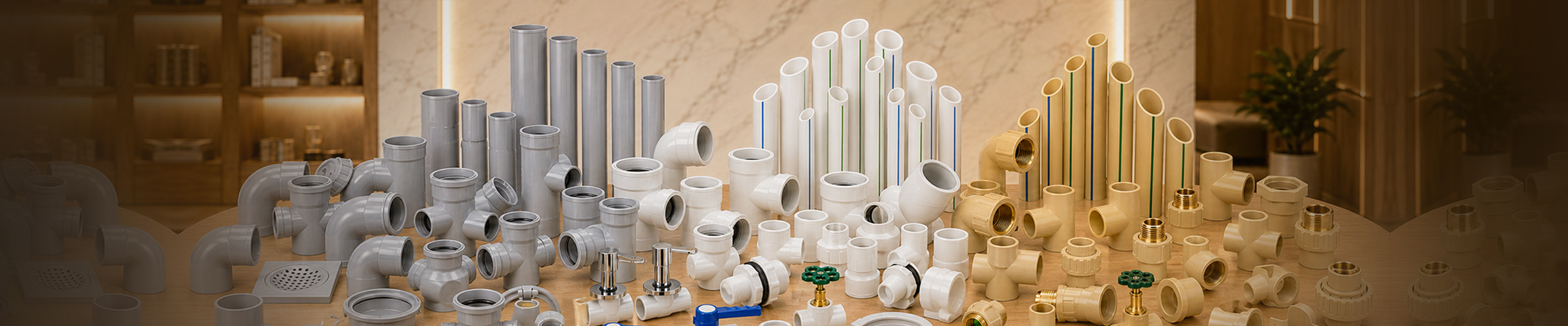

PREMIUM CPVC PIPES & FITTINGS SOLUTIONS
High Strength & Durability
Ultra Voilet Resistance
Hot & Cold water Plumbing
Regidential Purposes
Ideal For Drinking Water
Industrial Usage
Manintenance Free
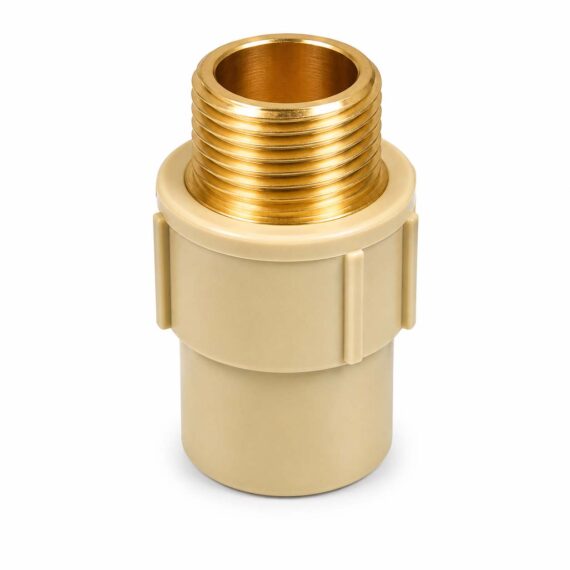
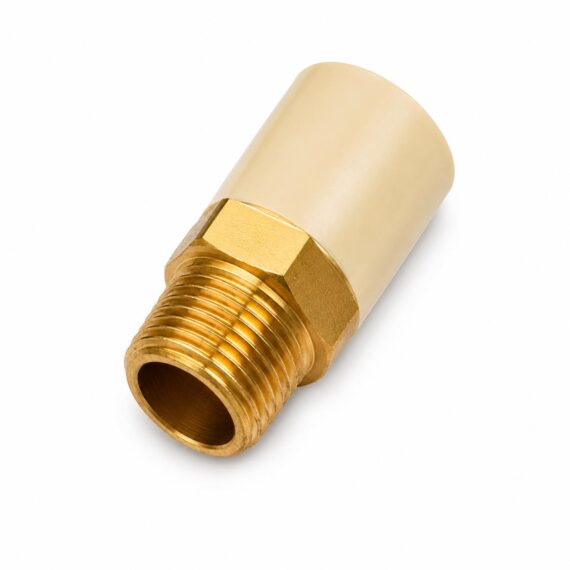
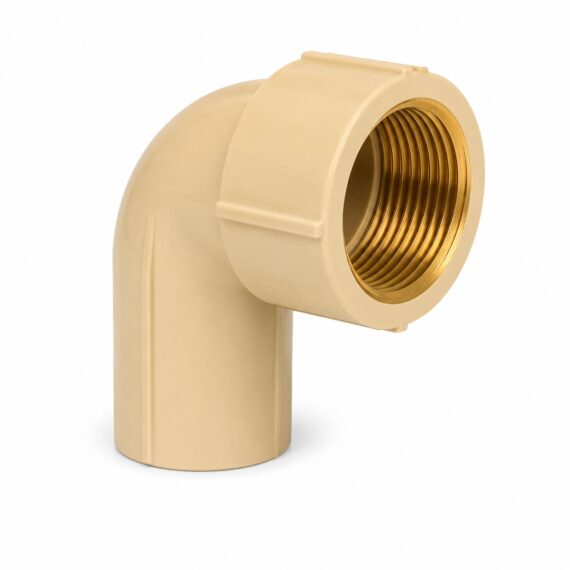
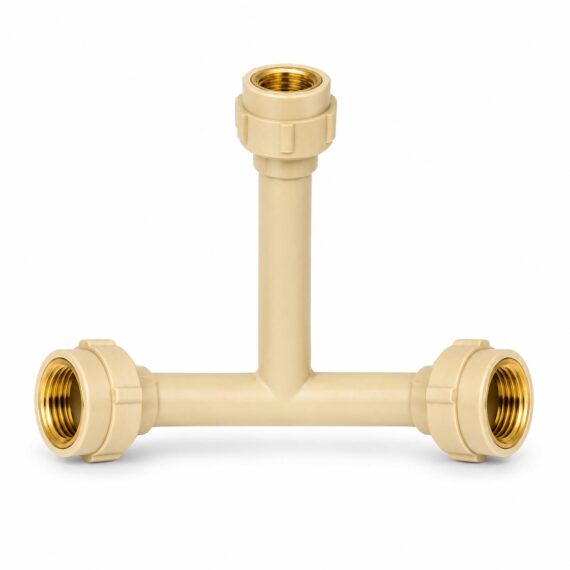
CPVC Fitting: (½" to 2") ASTM D-2846 SDR-11 & (2.1/2" to 4") SCH-40 ASTM-F-438 SCH-80 ASTM-F-439
CPVC Pipes: 1½" to 2" ASTM D-2846 SDR-11/SDR-13.5*(2.1/2" to 4") ASTM-F-441
CPVC Pipes: 1½" to 2" ASTM D-2846 SDR-11/SDR-13.5*(2.1/2" to 4") ASTM-F-441
Premium cPVC Pipes & Fittings Solutions
High Strength & Durability
Ultra Voilet Resistance
Hot & Cold water Plumbing
Regidential Purposes
Ideal For Drinking Water
Industrial Usage
Manintenance Free
CPVC Fitting: (½" to 2") ASTM D-2846 SDR-11 & (2.1/2" to 4") SCH-40 ASTM-F-438 SCH-80 ASTM-F-439
CPVC Pipes: 1½" to 2" ASTM D-2846 SDR-11/SDR-13.5*(2.1/2" to 4") ASTM-F-441
CPVC Pipes: 1½" to 2" ASTM D-2846 SDR-11/SDR-13.5*(2.1/2" to 4") ASTM-F-441
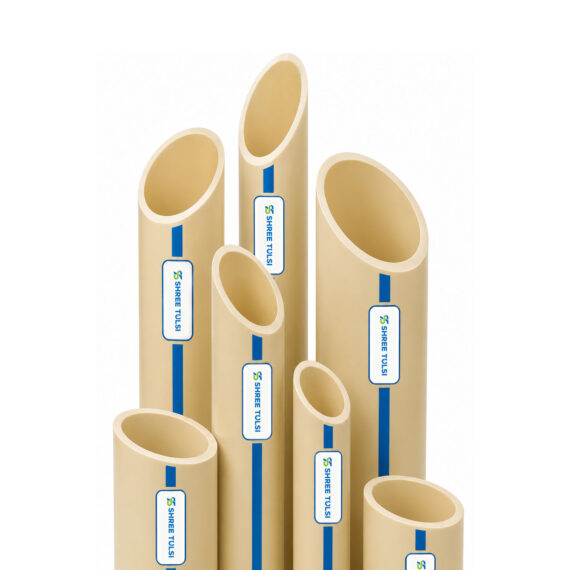
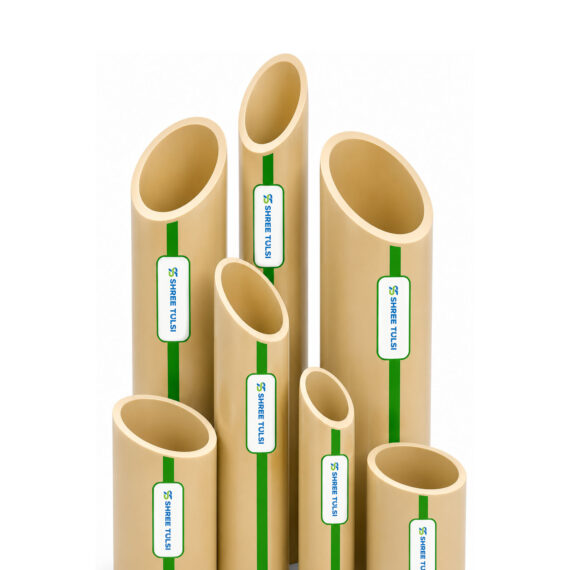
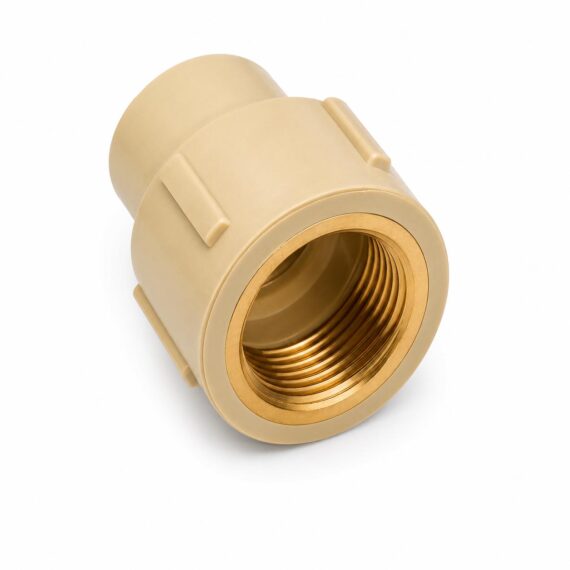
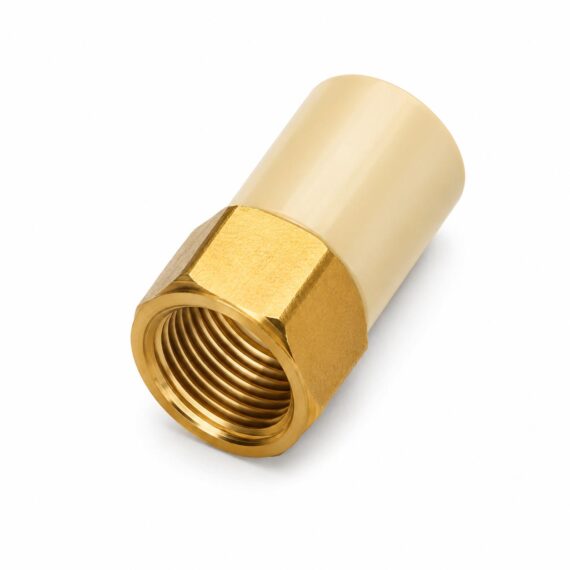
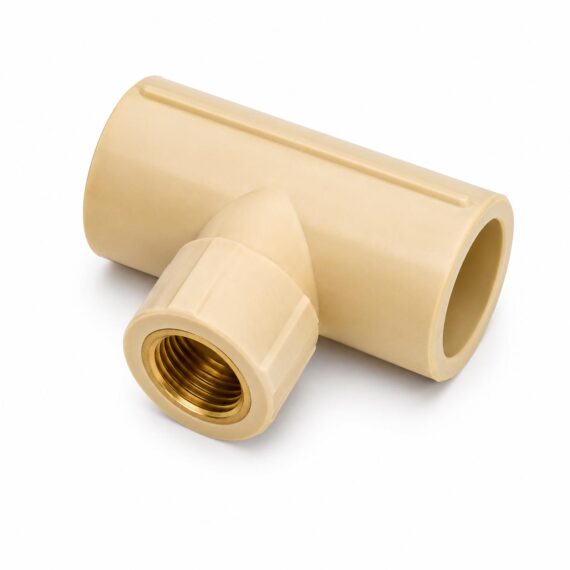
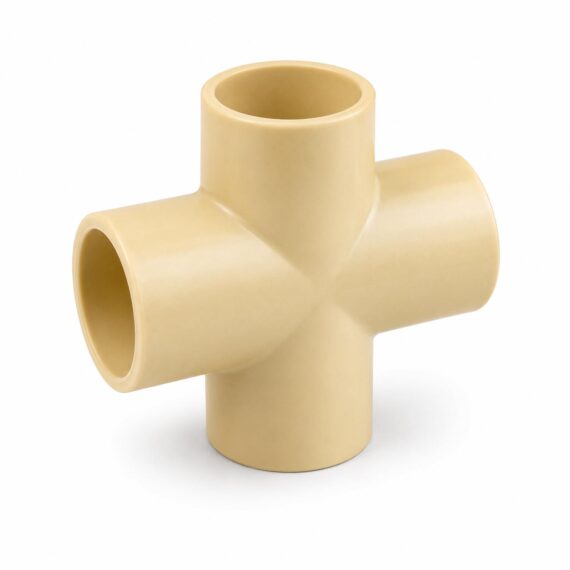
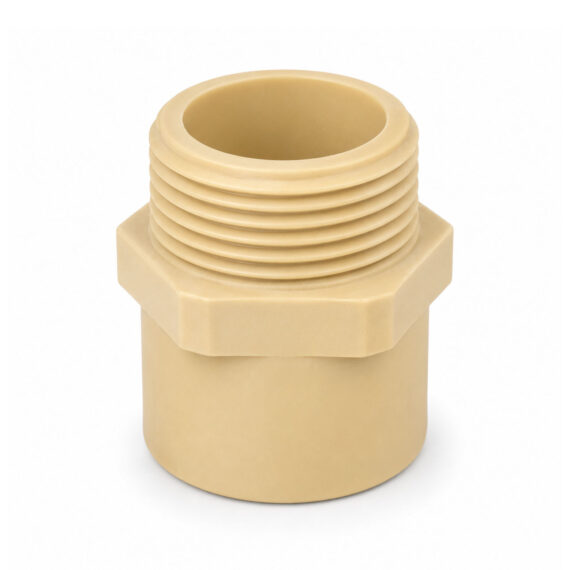
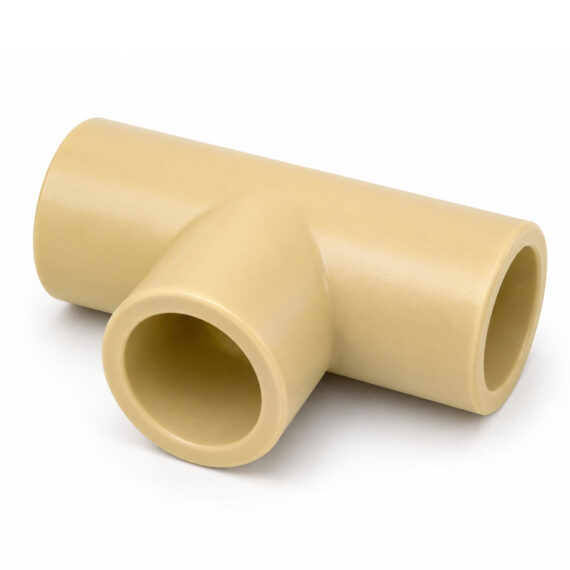
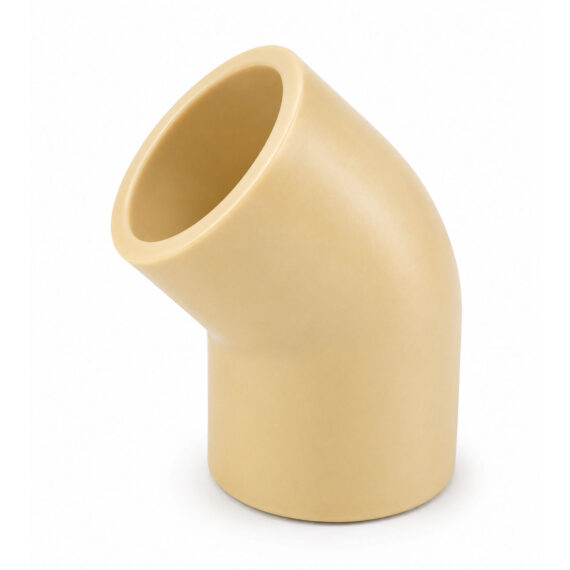
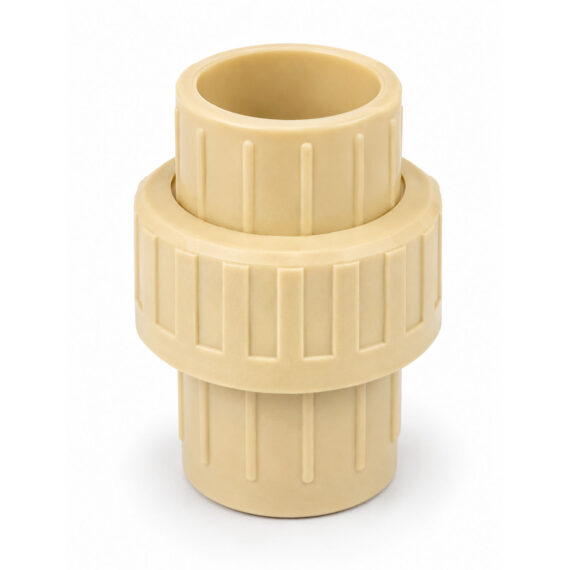
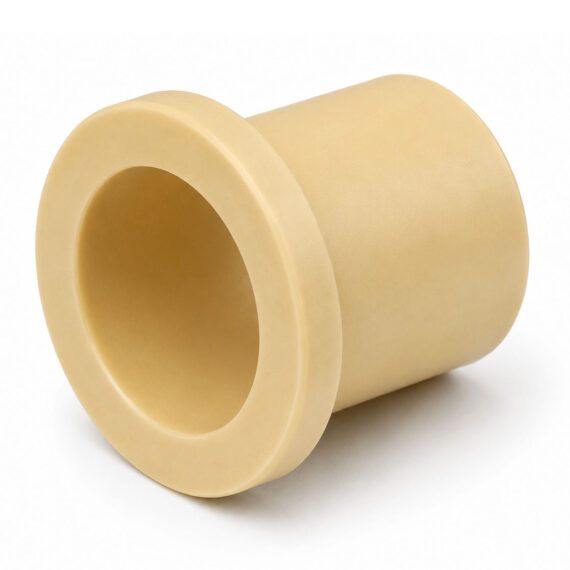
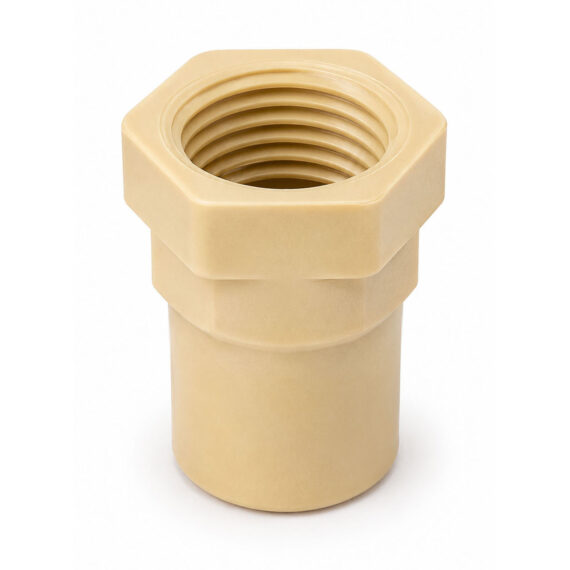
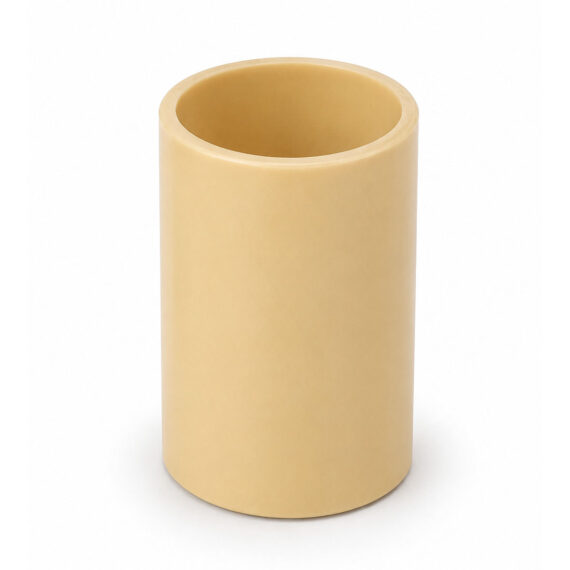
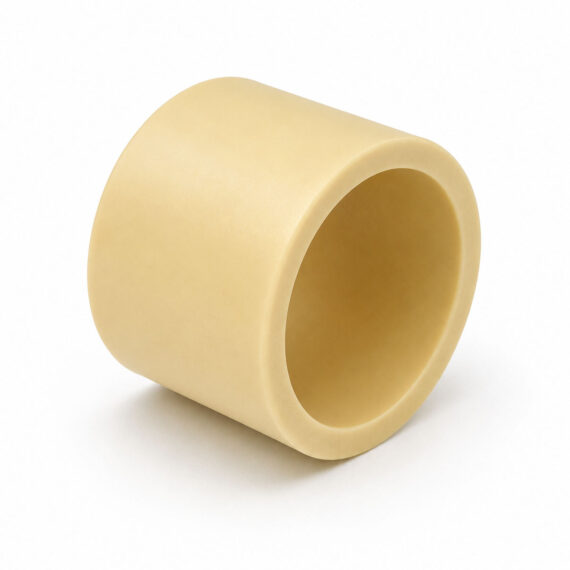
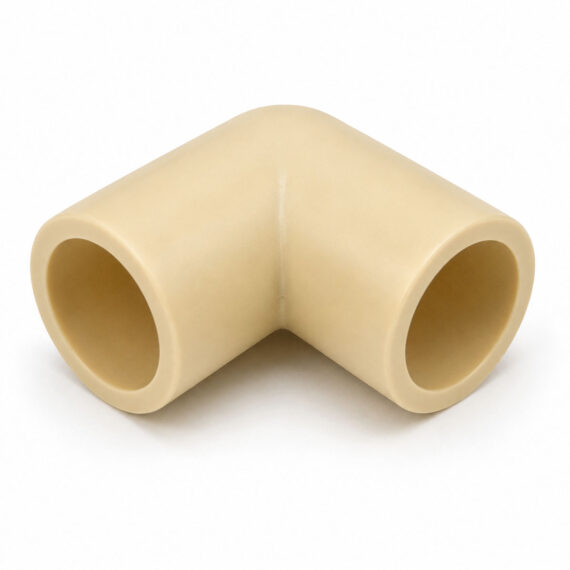
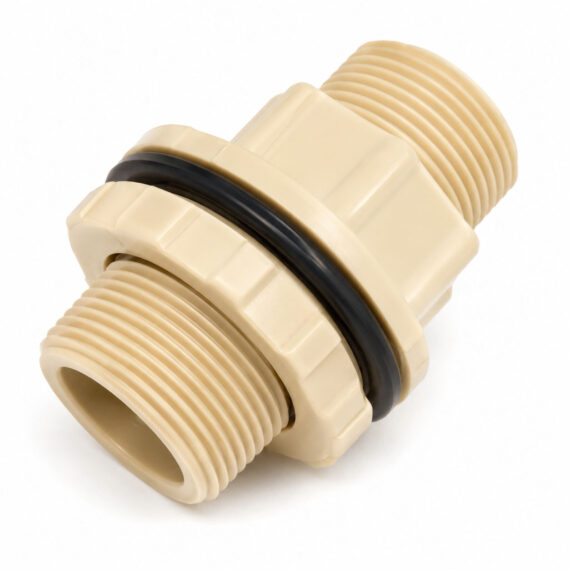
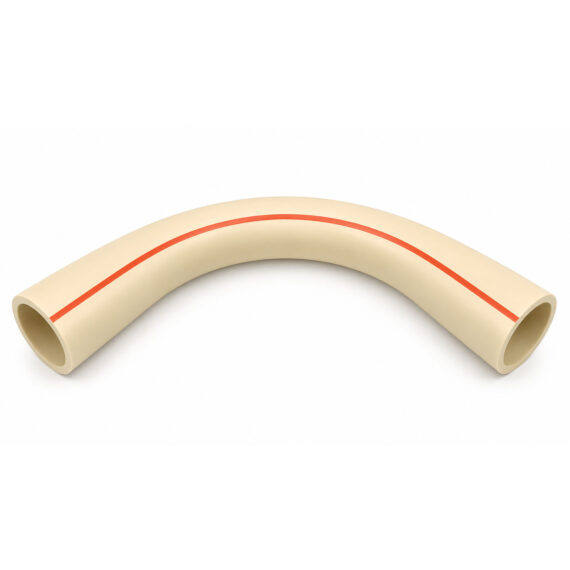
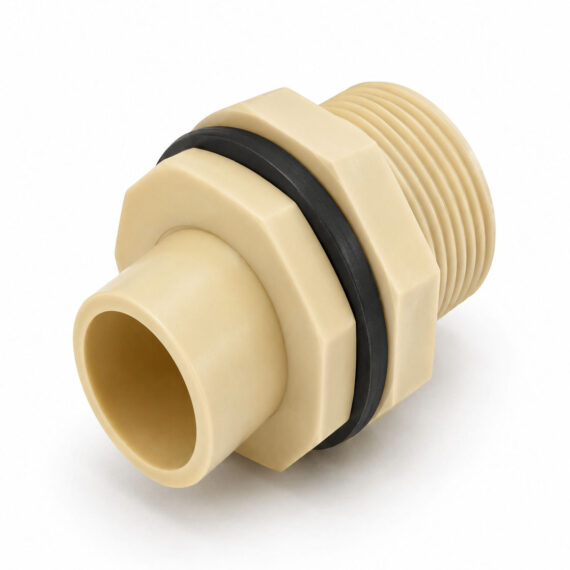
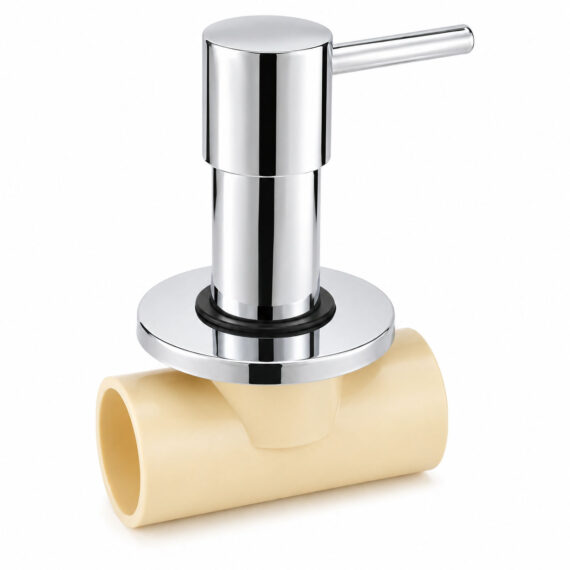
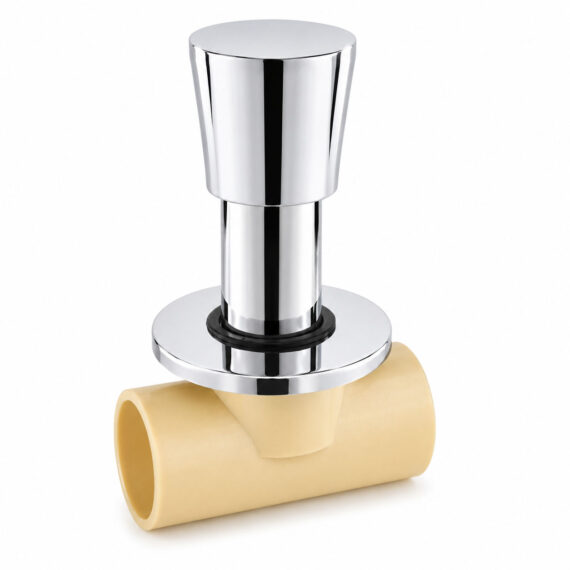
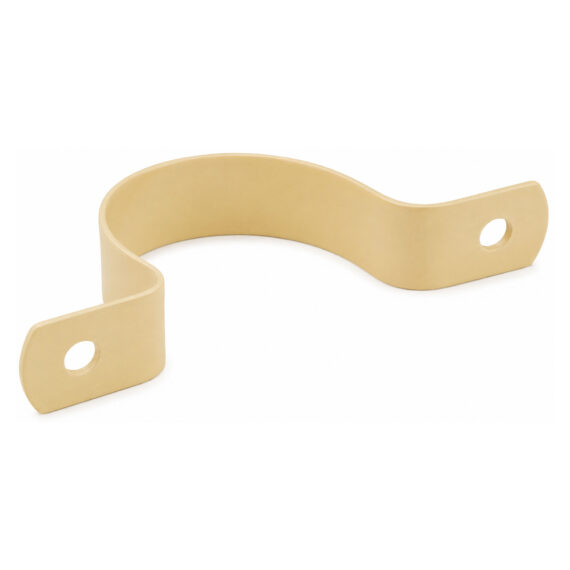
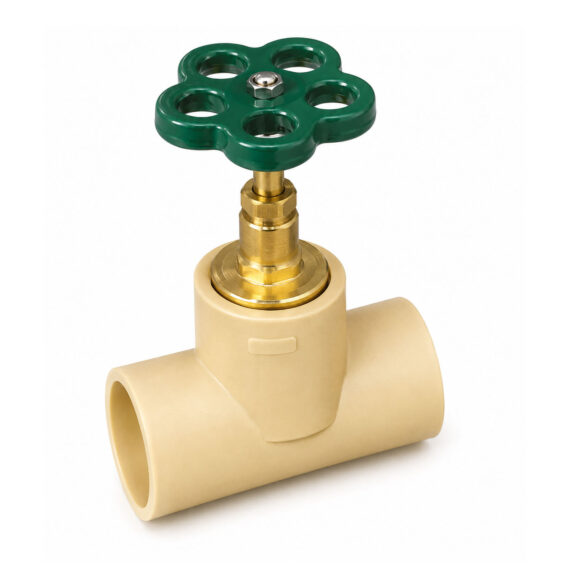
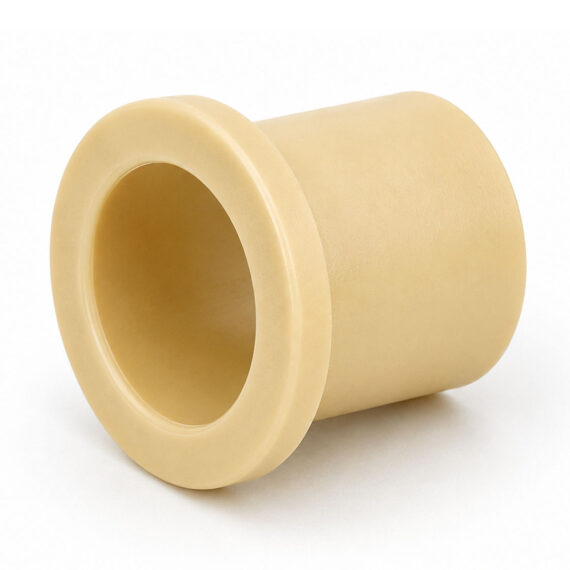
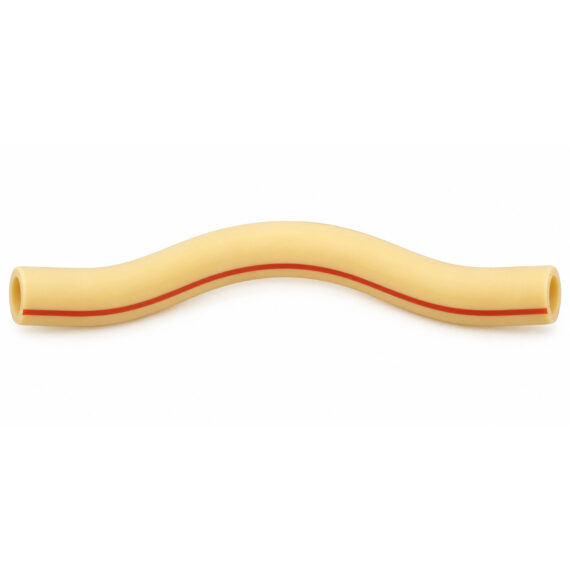
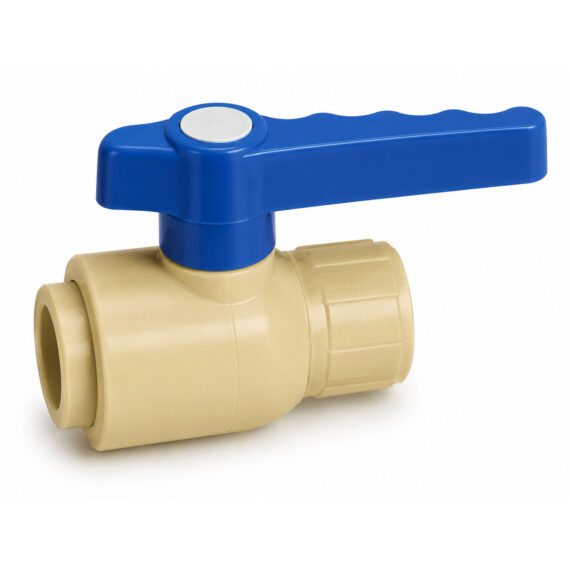
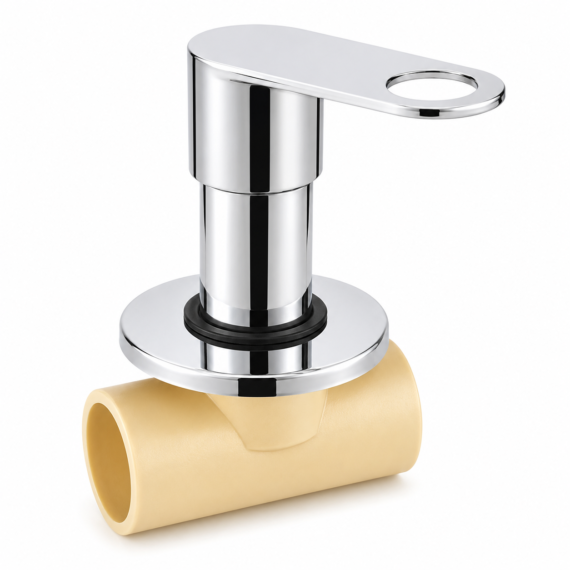
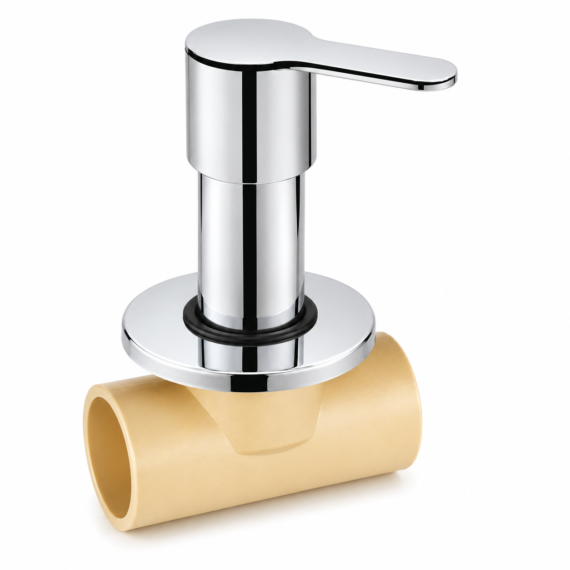
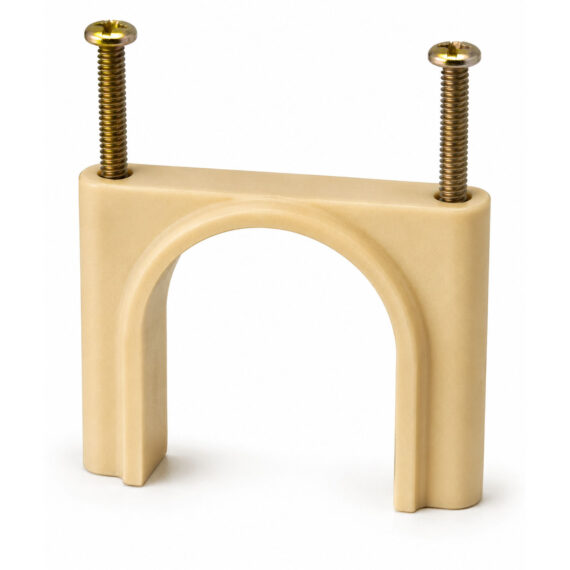
Standard & Specification
PROPERTIES OF CPVC PIPES:
The physical, chemical, and mechanical properties of Shree Tulsi CPVC Pipes demonstrate their superior performance, durability, and reliability in residential, commercial, and industrial plumbing applications compared to conventional piping systems.
DENSITY
The density of Shree Tulsi CPVC Pipes is approximately 1.43 g/cm³, making them significantly lighter than cast iron and steel pipes. This lightweight nature reduces transportation costs and allows for easy handling and faster installation.
MECHANICAL STRENGTH
Shree Tulsi CPVC Pipes are engineered to perform efficiently under varying operating conditions due to their excellent mechanical strength. Their superior tensile, flexural, and compressive properties ensure long-term durability and dependable performance.
FLEXIBILITY
Being a high-performance thermoplastic material, Shree Tulsi CPVC Pipes offer excellent flexibility and resistance to deformation caused by minor ground movements and external stresses. This makes them a preferred choice over traditional metallic piping systems.
HYGIENIC
Shree Tulsi CPVC Pipes provide one of the most hygienic solutions for potable water transportation. Their smooth internal surface prevents bacterial growth, scaling, contamination, and deposits. They do not affect the taste, odor, or quality of water, making them ideal for drinking water applications.
FIRE RESISTANCE
Shree Tulsi CPVC Pipes are self-extinguishing and do not support combustion. Their excellent fire-resistant properties make them suitable for residential buildings, commercial projects, and industrial installations where safety is a priority.
CHEMICAL RESISTANCE
Shree Tulsi CPVC Pipes are highly resistant to a wide range of acids, alkalis, salts, and industrial chemicals. Their corrosion-free nature ensures long service life and makes them suitable for both industrial and plumbing applications.
DIMENSIONS OF SHREE TULSI CPVC PIPES
Shree Tulsi CPVC Pipes are manufactured in accordance with stringent Indian quality standards using advanced manufacturing processes and premium-grade raw materials to ensure consistent quality and performance.
NOTE: CPVC (Chlorinated Polyvinyl Chloride) is a high-performance thermoplastic material specially developed for hot and cold water distribution systems. Its excellent strength, corrosion resistance, and thermal stability make it an ideal choice for modern plumbing solutions.
Installation Guide
Easy and 100% leak-proof installation with Shree Tulsi CPVC Pipes & Fittings.
Step 1: Cutting
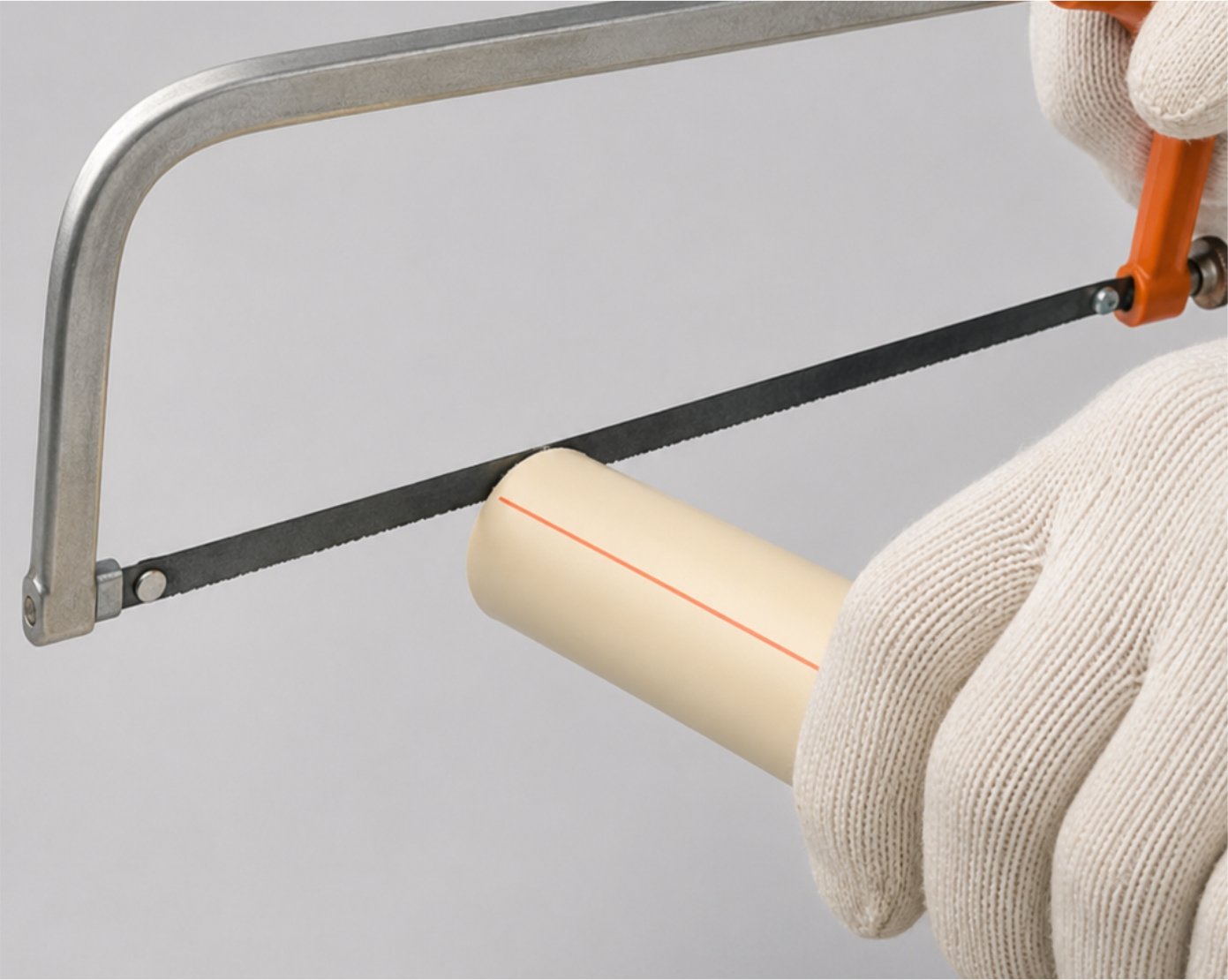
Measure the required pipe length accurately and mark the cutting point using a marker or felt-tip pen. Ensure that the pipe and fitting sizes are compatible before proceeding. Cut the pipe using a hacksaw, wheel cutter, or ratchet pipe cutter. For maximum joint strength, the pipe should be cut squarely at a 90° angle. Inspect the pipe end carefully and remove any cracked or damaged section before assembly.
Step 2: Deburring/Beveling
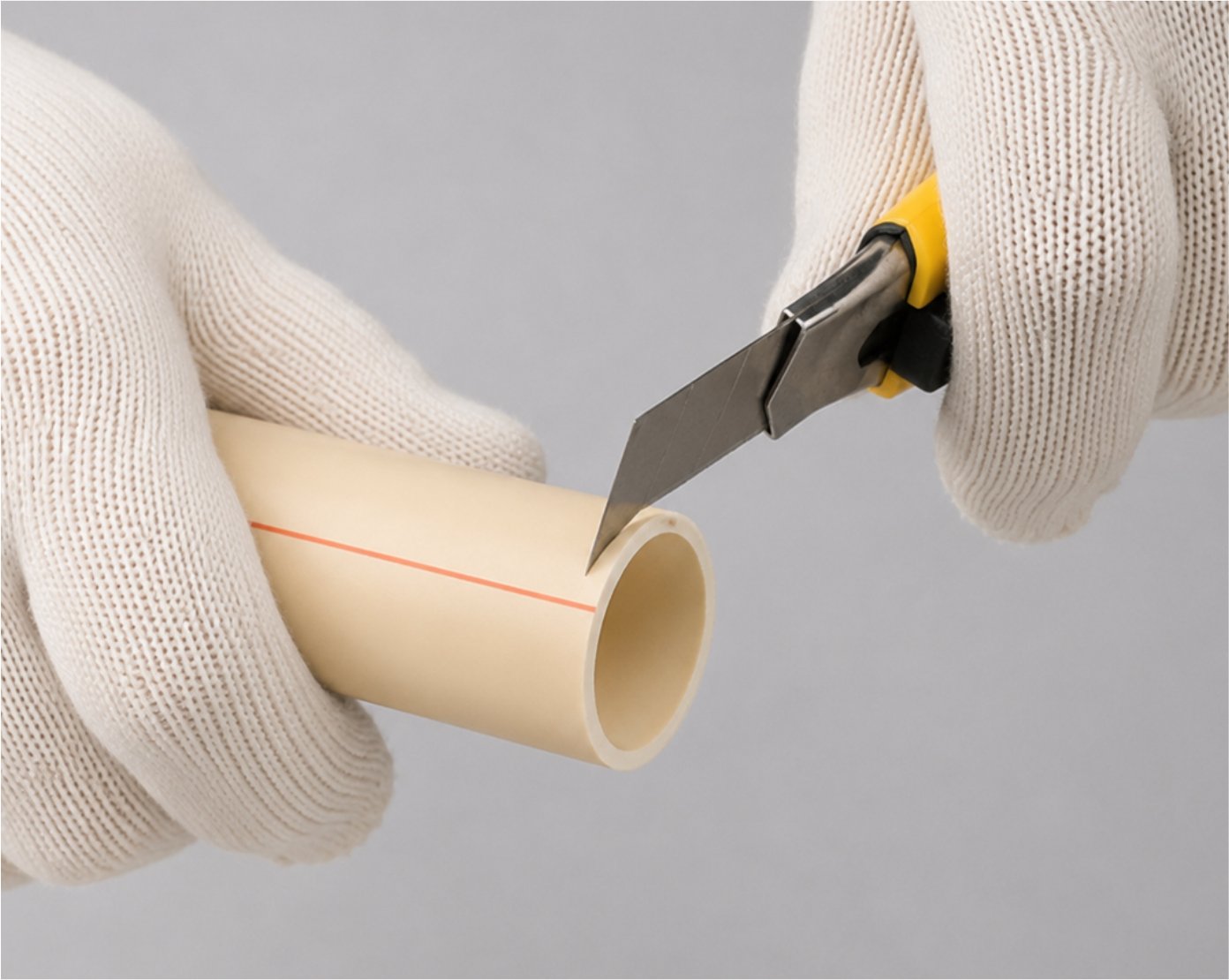
After cutting, remove all burrs, rough edges, and shavings from both the inside and outside of the pipe using a deburring tool, half-round file, or utility knife. Creating a slight bevel on the pipe edge allows smooth insertion into the fitting socket and helps achieve proper solvent cement distribution throughout the joint.
Step 3: Fitting Preparation
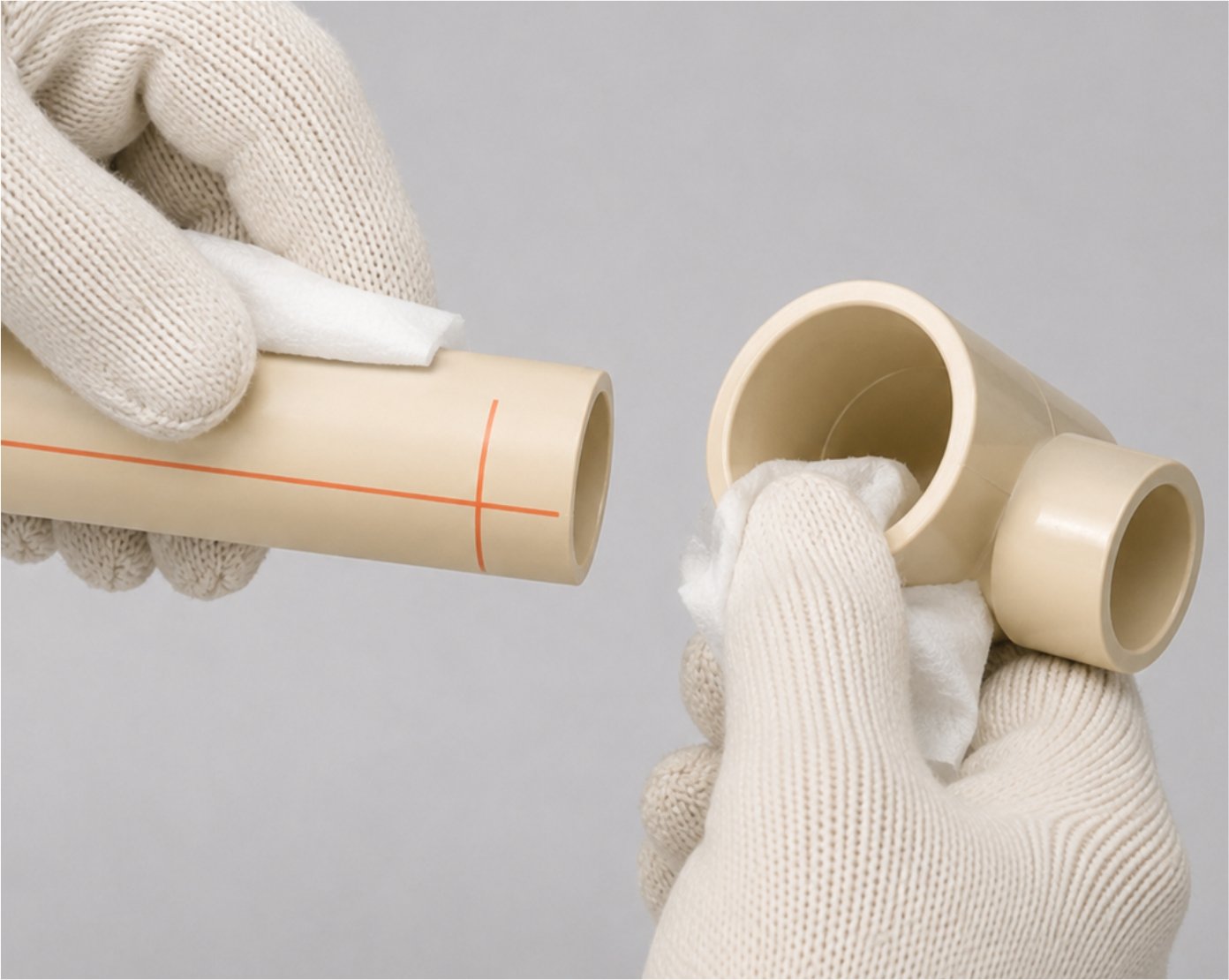
Using a clean, dry cloth, thoroughly wipe the pipe end and fitting socket to remove dust, dirt, moisture, grease, or foreign particles. Dry-fit the pipe into the fitting socket to verify proper fitment and insertion depth. Mark the insertion depth on the pipe surface for accurate assembly.
Step 4: One Step Solvent Cement Procedure
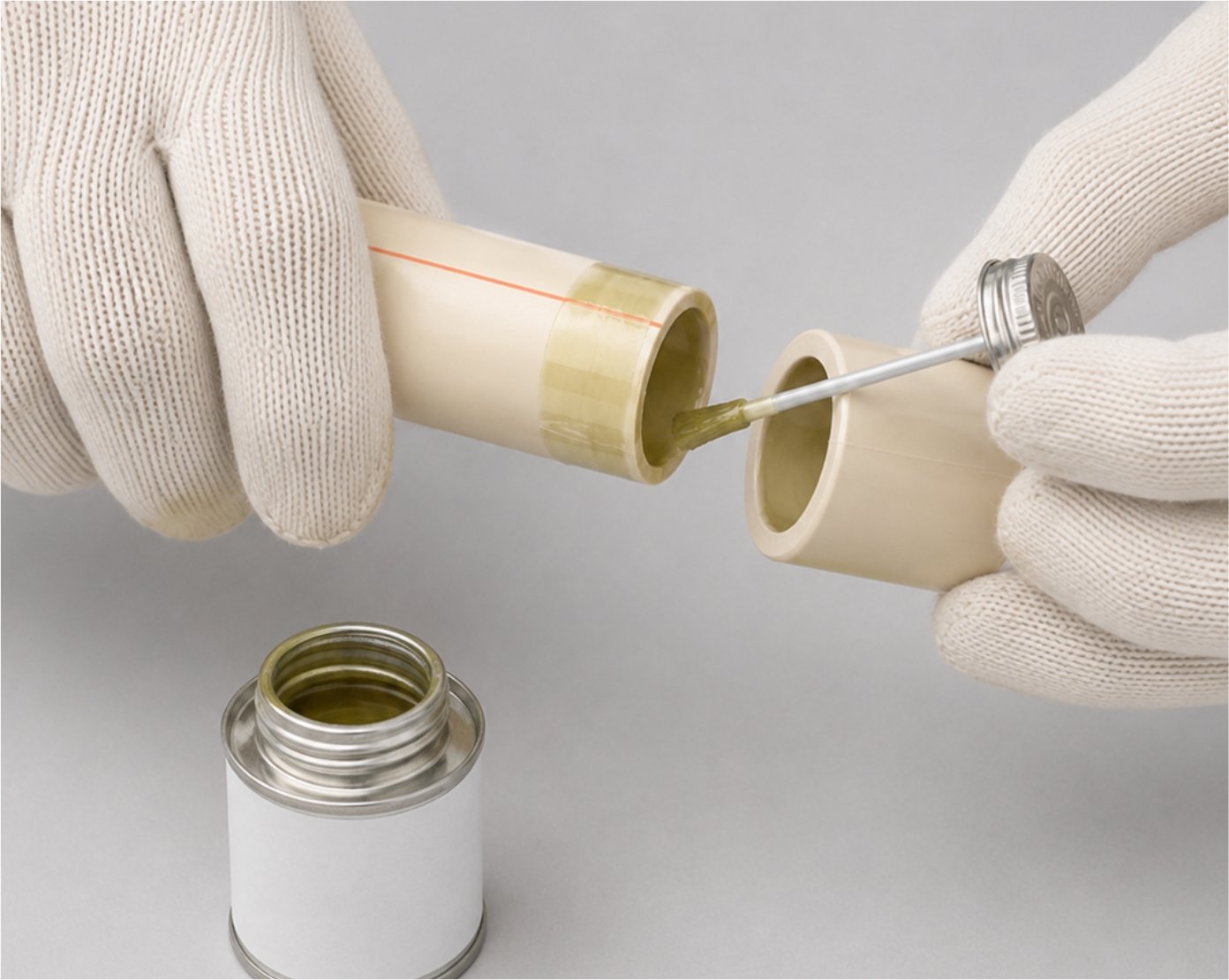
Apply an even coat of high-quality CPVC solvent cement to the outer surface of the pipe end and the inner surface of the fitting socket. Ensure complete and uniform coverage without excessive application. The solvent cement should have a smooth flow consistency and must be used according to the manufacturer's recommendations.
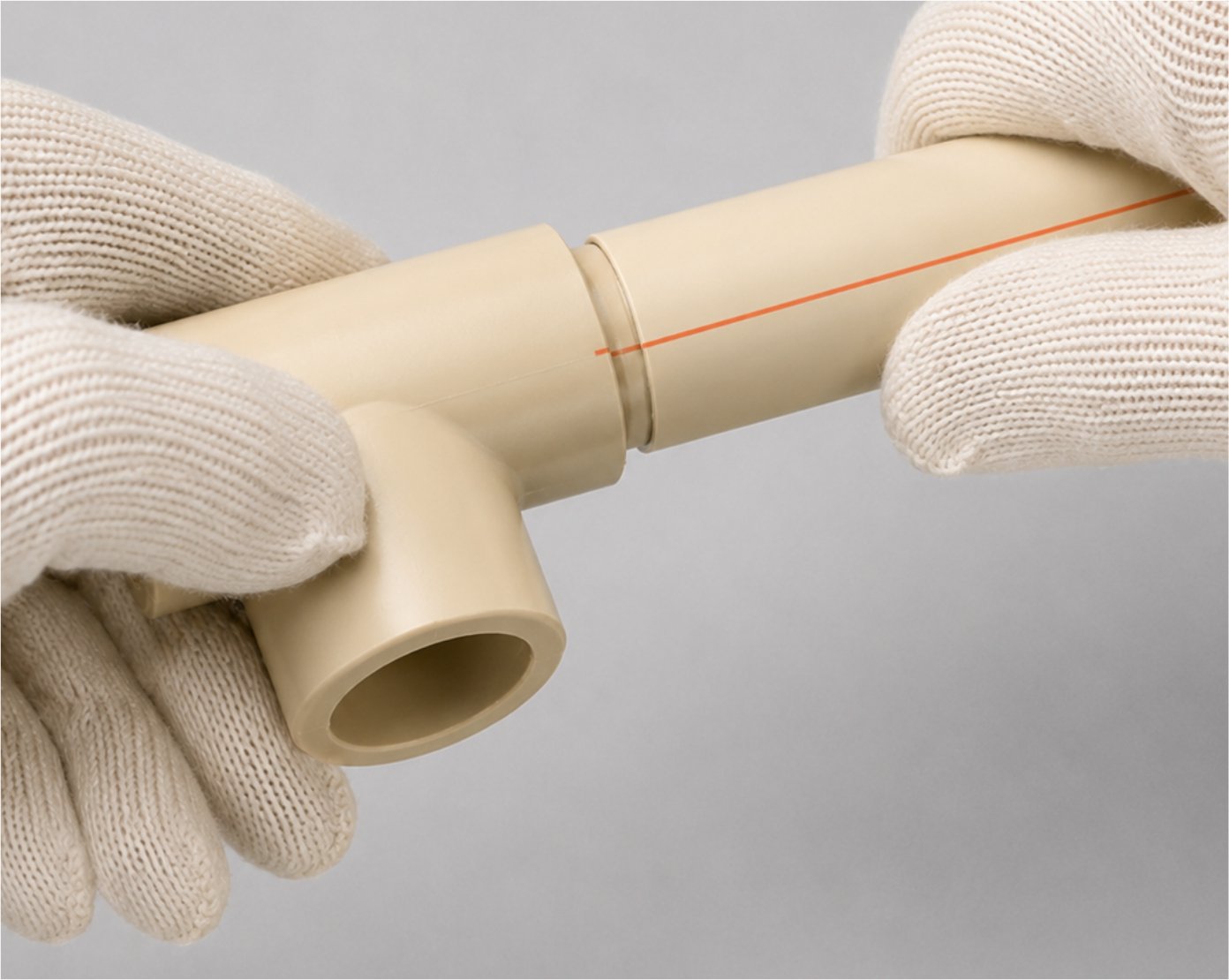
Step 5: Assembly
Immediately insert the pipe into the fitting socket while rotating it approximately one-quarter turn. This action ensures even distribution of solvent cement and creates a strong, leak-proof bond. Hold the assembly firmly in position for 20–30 seconds to prevent push-out. Allow sufficient curing time before pressure testing or putting the system into service.